Seeds · bulbs · plants by mail
The garden arrives in a box. Here is what to do with it.
Parcel & Root is an independent almanac for American gardeners who shop from catalogs: how to choose suppliers, read listings, time your orders to your zone, unpack live plants, and save the seed you grow.
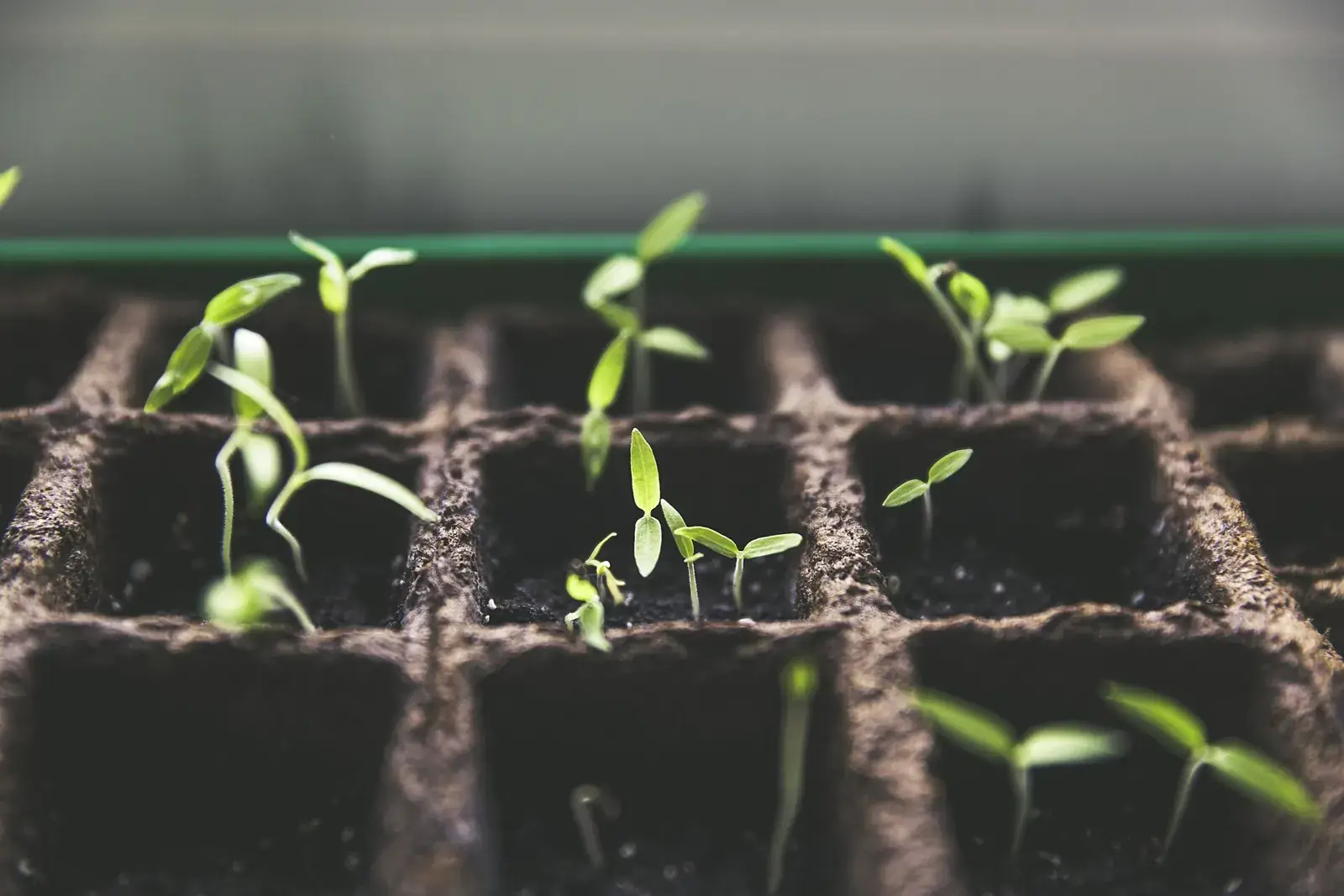
Photo: Markus Spiske (Unsplash), via Wikimedia Commons, CC0.
The mail-order year
- Dec – JanCatalogs arriveChoose suppliers and plan before you order.
- JanuarySort the seed boxTest old packets before buying more.
- Feb – MarStart seeds indoorsCount back from your last frost date.
- Mar – AprBare-root seasonTrees, roses and berries arrive dormant.
- SpringBoxes on the porchUnpack, check, shade and plant.
- SummerSave seedBeans, peas, lettuce and tomatoes first.
- Jul – AugOrder fall bulbsBest choice comes early.
- FallPlant by zoneBulbs, perennials and shrubs into cooling soil.

How to choose and request free garden catalogs
Seed, bulb, nursery and supply catalogs: which to request, how to read them, the signs of a trustworthy supplier, and how to keep your mailbox under control.
Read the guidePlate II · Catalogs & suppliers
Choosing where to buy
Finding and reading garden catalogs, choosing a trustworthy nursery, guarantees, and the rules on shipping plants and seeds.
All catalog guides Catalogs & suppliers
Shopper tips for buying plants by mail
Sizes, guarantees, ship dates, payment, and what to do when an order goes wrong.
 Catalogs & suppliers
Choosing a mail-order nursery
Transparency, guarantees, inspection certificates, reviews and warning signs.
 Catalogs & suppliers
Plants and seeds across borders
Import permits, phytosanitary certificates, citrus quarantines and state rules.
Plate III · Ordering & arrival
From order to planting hole
Bare-root, plugs, bulbs and potted plants by mail: shipping seasons, hardiness zones, and what to do when the box arrives.
All ordering guides Ordering & arrival
Hardiness zones and shipping seasons
The 2023 USDA zone map, frost dates and heat: choosing the right ship date.
 Ordering & arrival
Bare-root plants by mail
Dormant roots, no soil: timing, soaking, heeling in and planting right.
 Ordering & arrival
When your plants arrive
Unpack the same day, check, photograph, water, shade, then plant or pot up.
 Ordering & arrival
Plugs, liners and potted plants
Cell, quart or gallon: what plant sizes mean and how to grow on young plants.
 Ordering & arrival
Ordering bulbs by mail
Fall and spring bulbs, sizes, storage, chilling in warm zones, and planting depth.
 Ordering & arrival
Bulbs for indoor forcing
No-chill amaryllis and paperwhites, chilled tulips and hyacinths, bulb size, ship dates and counting back from a bloom date.
From the glossary
Words the catalogs use
Bare-root, F1, chill hours, liner, rootstock: a plain-English glossary of nursery and seed catalog terms, written for this almanac.
Open the glossary- Bare-rootA dormant plant shipped without soil.
- F1 hybridUniform and vigorous; saved seed won't come true.
- Chill hoursWinter cold a fruit tree needs to flower.
- Open-pollinatedSeed you can save, if kept from crossing.
- RootstockThe roots that decide a fruit tree's size.
- Hardening offA week or two of slow outdoor training.
Plate IV · Seeds & saving
From packet to seedling, and back
Reading seed listings, starting seeds indoors, testing and storing seed, and saving your own.
All seed guides Seeds & saving
How to read a seed catalog
Days to maturity, F1 or open-pollinated, disease codes and what the packet must tell you.
 Seeds & saving
Starting seeds indoors
Count back from frost, give strong light, avoid damping off, harden off slowly.
 Seeds & saving
Seed saving basics
Start with beans, peas, lettuce and tomatoes; isolate, harvest, dry and label.
 Seeds & saving
How long seeds last
Viability by crop, cool and dry storage, and a ten-minute germination test.
 Catalogs & suppliers
Glossary of catalog terms
From annual to zone: the words catalogs use, explained plainly.
Plate V · Growing what arrives
Vegetables, fruit and small spaces
Vegetables, fruit, small spaces and rented gardens: planning plantings that suit the place you have.
All growing guides Growing what arrives
Planning a vegetable garden
Sun, soil, frost dates and a sowing calendar: turning catalog wishes into a plan.
 Growing what arrives
Fruit trees and berries by mail
Rootstocks, pollinizers and chill hours: ordering fruit that suits your garden.
 Growing what arrives
Small-space gardening by mail
Compact varieties, container sizes, watering and vertical growing for small spaces.
 Growing what arrives
Renting a house with a garden
Sun, soil, water bills and upkeep: what to check and write into the lease.
Growing what arrivesSeed garlic by mail
Hardneck or softneck, how much to order, fall planting, mulch, scapes and saving your own cloves.
 Growing what arrives
Seed potatoes by mail
Certified tubers, mealy or waxy types, cutting seed pieces, planting depth, hilling and storage.
 Growing what arrives
Onion sets and plants by mail
Sets, bundled plants or seed, day length and latitude, bolting, spacing, curing and storage.
 Growing what arrives
Asparagus and rhubarb by mail
Two vegetables you plant once and pick for years: crowns, varieties, trench depth and the patience they ask for before the first harvest.
 Growing what arrives
Sweet potato slips by mail
Rootless cuttings that look half dead on arrival and grow into vines: varieties, delivery timing, planting into warm soil and curing the harvest.
 Growing what arrives
Strawberry plants by mail
Brown, dry-looking crowns that wake up within a week: picking a type, matching the planting system to your region, and setting the crown at exactly the right depth.
How this almanac works
Sourced, independent, nothing for sale.
No advertising, no affiliate links, no paid listings and no supplier rankings. Rules and figures are checked against primary sources: USDA APHIS, the USDA Plant Hardiness Zone Map, the Federal Trade Commission, state agriculture departments and university extension services, and linked at the end of every guide.